[et_pb_section fb_built="1" admin_label="Header" _builder_version="4.15.1" z_index="10" overflow-x="hidden" custom_padding="||0px|||" global_colors_info="{}"][et_pb_row column_structure="3_5,2_5" _builder_version="4.15" z_index="10" global_colors_info="{}"][et_pb_column type="3_5" _builder_version="4.15" custom_padding="|||" global_colors_info="{}" custom_padding__hover="|||"][et_pb_text _builder_version="4.15.1" text_font="Lato||||||||" text_line_height="1.8em" header_font="PT Serif|700|||||||" header_font_size="55px" header_line_height="1.2em" width="100%" custom_margin="-50px||20px||false|false" custom_padding="|0px|49px||false|false" hover_enabled="0" text_font_size_tablet="" text_font_size_phone="18px" text_font_size_last_edited="on|phone" header_font_size_tablet="60px" header_font_size_phone="36px" header_font_size_last_edited="on|phone" global_colors_info="{}" sticky_enabled="0"]
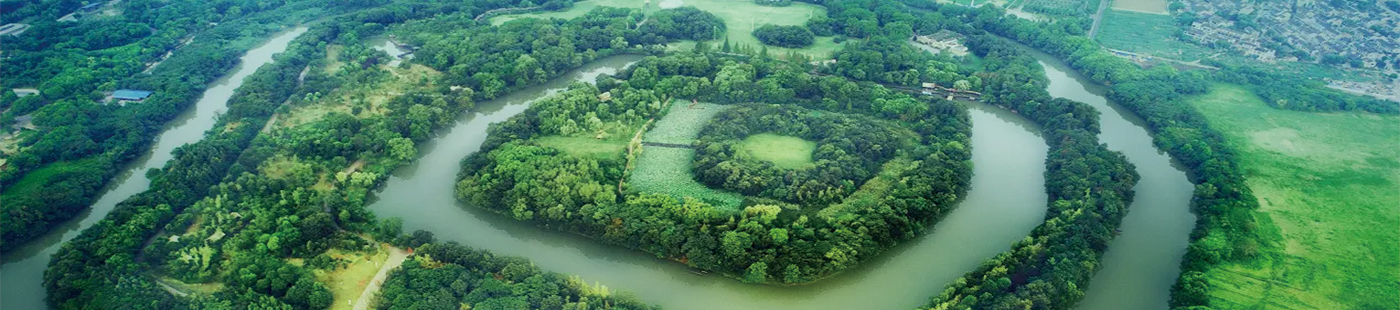
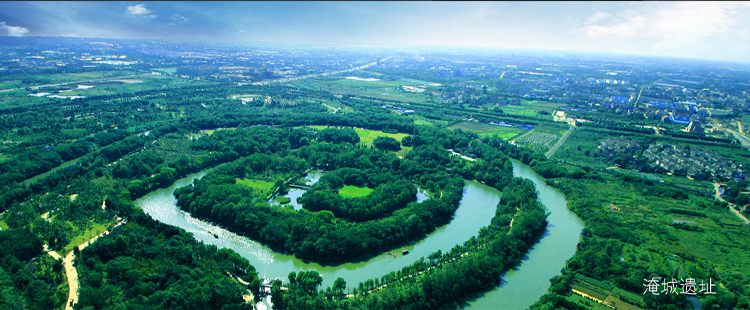
常州春秋淹城遗址位于常州南郊武进,坐车约15分钟便可到。淹城被里外三道河流围环。从里向外,子城、子城河、内城、内城河、外城、外城河,三城三河相套。这种建筑形制,在我国的古城遗址中是绝无仅有的,大部分古城池都一城一河,少数是两城一河或两城两河。淹城遗址东西长850米,南北宽750米,正 好和《孟子》中“三里之城,七里之廓”的记载相吻合。这一点,又印证了淹城是座建于2500多年前的古城。淹城建于春秋晚期,距今有2500余年历史。 1935年,我国考古学者首次对淹城进行了实地调查,确认淹城为一处古代居民活动遗存,引起学术界的关注。20世纪50年代和60年代,在淹城内河出土了 3条独木舟和一批青铜器、陶器,这批成组文物的出土,首次展示了淹城遗址独特的文化面貌和内涵,引起社会和学术界的轰动。这之后,对淹城的研究一直不断。 1986年,江苏省淹城遗址考古发掘队首次对淹城遗址进行了为期6年的考古发掘,解决了一些悬而未决的问题。作为当年考古发掘队队员之一,南京博物院副研 究员陆建芳经过多年研究后认为:“淹城是吴国的一个军事城堡,是目前已发现的,世界上春秋时期唯一保存完好,三道城河、三道城墙形制的军事设施。”
[/et_pb_text][/et_pb_column][et_pb_column type="2_5" _builder_version="4.15" custom_padding="|||" global_colors_info="{}" custom_padding__hover="|||"][et_pb_image src="https://www.cn-yc.com.cn/wp-content/uploads/2022/03/sight-seeing-44.png" title_text="13第六板块-三城三河航拍图" _builder_version="4.15.1" background_image="https://www.cn-yc.com.cn/wp-content/uploads/2022/03/13第六板块-三城三河航拍图.jpg" transform_scale="200%|200%" transform_scale_tablet="100%|100%" transform_scale_phone="" transform_scale_last_edited="on|desktop" transform_translate_tablet="" transform_translate_phone="" transform_translate_last_edited="on|desktop" transform_rotate_tablet="" transform_rotate_phone="" transform_rotate_last_edited="on|desktop" transform_skew_tablet="" transform_skew_phone="" transform_skew_last_edited="on|desktop" transform_origin="10%|50%" transform_origin_tablet="" transform_origin_phone="" transform_origin_last_edited="on|desktop" transform_styles_last_edited="on|desktop" max_width_tablet="400px" max_width_phone="" max_width_last_edited="on|desktop" custom_margin="||-80px" custom_margin_tablet="0px|0vw||" custom_margin_last_edited="off|tablet" transform_styles_tablet="" transform_styles_phone="" global_colors_info="{}"][/et_pb_image][et_pb_text _builder_version="4.15.1" text_font="Lato||||||||" text_font_size="18px" text_line_height="1.8em" header_font="||||||||" header_2_font="||||||||" header_3_font="Lato|900|||||||" header_3_font_size="26px" header_3_line_height="1.6em" background_color="#ffffff" text_orientation="justify" min_height="246px" custom_margin="69px|||-200px|false|false" custom_margin_tablet="|||0px" custom_margin_phone="-200px||" custom_margin_last_edited="on|desktop" custom_padding="27px|36px|27px|36px|true|true" custom_padding_tablet="" custom_padding_phone="30px|20px|30px|20px|true|true" custom_padding_last_edited="on|desktop" text_font_size_tablet="" text_font_size_phone="15px" text_font_size_last_edited="on|desktop" header_3_font_size_tablet="20px" header_3_font_size_phone="16px" header_3_font_size_last_edited="on|desktop" custom_css_main_element="position: relative;" box_shadow_style="preset3" text_text_align="justify" locked="off" global_colors_info="{}"]
传说一:神龟救奄
相传,商汤时期,山东泰山南侧的汶泗流域有一黾(miǎn音免,古水名,在今山东。)姓的部族方国,族民素有崇龟的习俗,因而由“大龟”合文为“奄”,作为国...
[/et_pb_text][/et_pb_column][/et_pb_row][et_pb_row column_structure="2_5,3_5" _builder_version="4.15" global_colors_info="{}"][et_pb_column type="2_5" _builder_version="4.15" custom_padding="|||" global_colors_info="{}" custom_padding__hover="|||"][et_pb_image src="https://www.cn-yc.com.cn/wp-content/uploads/2022/03/sight-seeing-45.png" align="right" _builder_version="4.15.1" background_image="https://www.cn-yc.com.cn/wp-content/uploads/2022/03/sight-seeing-63.jpg" parallax="on" transform_origin="70%|50%" max_width_tablet="400px" max_width_phone="" max_width_last_edited="on|desktop" custom_margin="-500px||-175vw|-260px|false|false" custom_margin_tablet="-20vw||0vw|0px" custom_margin_phone="||" custom_margin_last_edited="on|phone" global_colors_info="{}"][/et_pb_image][/et_pb_column][et_pb_column type="3_5" _builder_version="4.15" custom_padding="|||" global_colors_info="{}" custom_padding__hover="|||"][et_pb_button button_url="https://www.cn-yc.com.cn/kaozheng" button_text="更多传说" _builder_version="4.15.1" custom_button="on" button_text_size="18px" button_bg_color="#000000" button_border_color="rgba(0,0,0,0)" button_border_radius="0px" button_letter_spacing="2px" button_font="Lato|900||on|||||" button_use_icon="off" background_layout="dark" custom_margin="-20px|||40px|false|false" global_colors_info="{}"][/et_pb_button][/et_pb_column][/et_pb_row][et_pb_row _builder_version="4.15.1" _module_preset="default" global_colors_info="{}"][et_pb_column type="4_4" _builder_version="4.15.1" _module_preset="default" global_colors_info="{}"][et_pb_slider use_text_overlay="off" _builder_version="4.15.1" _module_preset="default" box_shadow_style_image="preset1" global_colors_info="{}"][et_pb_slide _builder_version="4.15.1" _module_preset="default" background_image="https://www.yclyq.com/wp-content/uploads/2022/01/1388215790_16_4912.jpg" background_enable_image="on" global_colors_info="{}" sticky_transition="on"]
1958年初夏,淹城村民取泥积肥时,在此发现独木舟一条。其后淹城又先后出土了3条独木舟。其中长11米和4.2米的两条独木舟分别收藏于中国历史博物馆和南京博物院,另有两条收藏于武进淹城博物馆。据考证,独木舟均用椴木烧烤凿成,印证了上古“刳木为舟”的制作方法。长11米的独木舟,迄今为我国发现的保存最完整、最古老的独木舟,有“天下第一舟”的美称。
[/et_pb_slide][et_pb_slide use_bg_overlay="off" _builder_version="4.15.1" _module_preset="default" background_image="https://www.yclyq.com/wp-content/uploads/2022/01/1373617496_2891_8079.jpg" background_enable_image="on" global_colors_info="{}" sticky_transition="on"]
战国时代著名青铜器。上为一盘,盘下三轮,可拖行,前轮以两兽头为饰,形状奇特,甚为少见。通高15.8厘米。属于春秋晚期的青铜器。1957年出土于江苏武进县淹城。现藏中国国家博物馆。此盘构细巧妙,是吴越青铜器中具有浓厚地域风格和时代特征的器物。
[/et_pb_slide][/et_pb_slider][/et_pb_column][/et_pb_row][/et_pb_section][et_pb_section fb_built="1" admin_label="Blog" _builder_version="4.15" global_colors_info="{}"][et_pb_row _builder_version="4.15" custom_padding="0px||0px|||" locked="off" global_colors_info="{}"][et_pb_column type="4_4" _builder_version="4.15" custom_padding="|||" global_colors_info="{}" custom_padding__hover="|||"][et_pb_text _builder_version="4.15" text_font="||||||||" header_font="||||||||" header_2_font="PT Serif|700|||||||" header_2_font_size="60px" header_2_line_height="1.2em" text_orientation="center" max_width="600px" module_alignment="center" custom_margin="||15px" header_2_font_size_tablet="42px" header_2_font_size_phone="30px" header_2_font_size_last_edited="on|tablet" locked="off" global_colors_info="{}"]
[/et_pb_text][et_pb_divider color="#000000" divider_weight="5px" _builder_version="4.15" width="150px" module_alignment="center" locked="off" global_colors_info="{}"][/et_pb_divider][/et_pb_column][/et_pb_row][et_pb_row _builder_version="4.15.1" _module_preset="default" global_colors_info="{}"][et_pb_column type="4_4" _builder_version="4.15.1" _module_preset="default" global_colors_info="{}"][et_pb_blog fullwidth="off" posts_number="20" include_categories="75" use_manual_excerpt="off" show_author="off" show_date="off" show_categories="off" show_excerpt="off" show_pagination="off" admin_label="主要景点介绍" _builder_version="4.15.1" _module_preset="default" header_font="|600|||||||" header_text_align="center" box_shadow_style="preset1" global_colors_info="{}"][/et_pb_blog][/et_pb_column][/et_pb_row][/et_pb_section]